
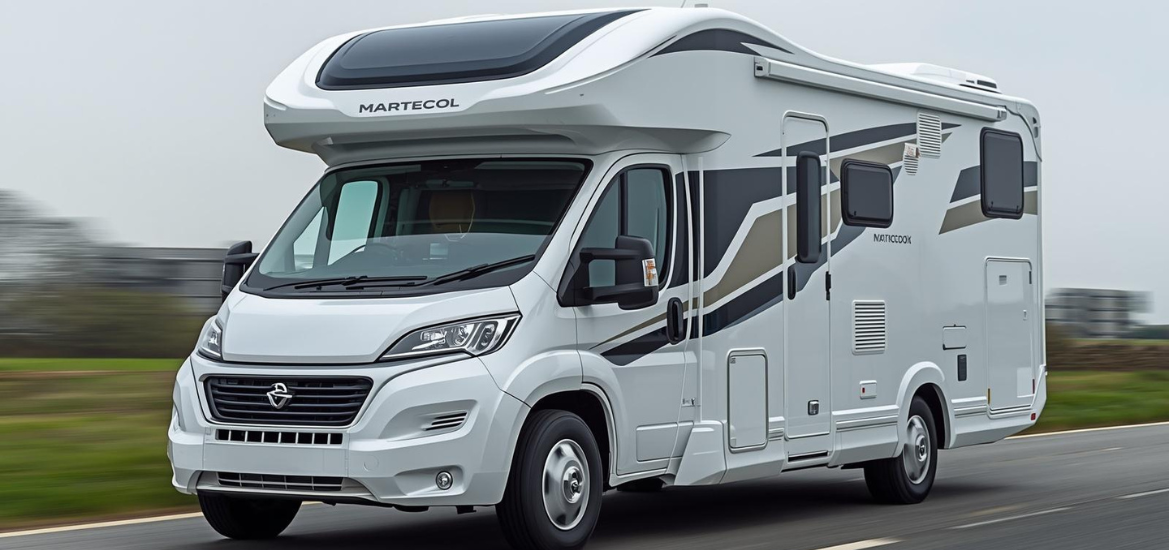
There is something brilliantly British about packing up the van, chasing a dry weekend and calling it an adventure. And plenty of people still are. The UK remained the third largest motor caravan market in Europe in 2025, with around 16,700 new motorhome registrations, while the 2026 Caravan, Camping & Motorhome Show pulled in 100,072 visitors at the NEC Birmingham. In other words, leisure vehicles are still hugely popular, which makes proper storage even more important when your van is not out on the road.
Whether you own a full-size motorhome, a camper conversion, a long-wheelbase van or a much-loved “weekend wagon”, putting it away properly can help protect its condition, security and value. A good storage routine is not just about parking up and walking away. It’s about making sure the vehicle is clean, dry, secure and ready to go again when the next trip calls.
If you are looking for motorhome storage Chesterfield drivers can trust, motorhome storage Hope Valley owners can use all year round, or secure vehicle storage Chesterfield customers can rely on, this is the checklist worth following before you hand over the keys or lock the doors.
Why a pre-storage checklist matters
Motorhomes and campervans are valuable assets, and they can deteriorate surprisingly quickly when left unchecked. Water left in the system can freeze and crack components, batteries can discharge in a matter of weeks, tyres can develop flat spots, and damp can cause mould and stale smells. Security matters too: the Caravan and Motorhome Club highlighted DVLA-based figures showing that more than 11,250 vans were stolen across England, Wales and Scotland in 2024, worth an estimated £200 million. Not all of those were leisure vehicles, but it is still a reminder that secure storage is not something to leave to chance.
1. Sort the paperwork before you store it
Before you think about drains, covers or wheel clamps, start with the admin.
If the vehicle is going off the road for a while and will be kept on private land, it may be worth making a SORN. GOV.UK says a Statutory Off Road Notification applies when you are taking the vehicle off the road, and you may get a refund for any full months of remaining tax. Once it is SORN’d, it cannot be used on the road again until it is taxed.
It is also sensible to check:
- your insurance terms for storage conditions
- whether the insurer expects specific security devices
- whether the storage site has access restrictions
- whether gas cylinders must be removed
- whether the site has hard standing and good perimeter security
That last point matters more than many owners realise. The Camping and Caravanning Club advises visiting a storage site before booking, checking for hard standing, avoiding overhanging trees and confirming security and vermin controls. CaSSOA also grades storage sites based on factors such as CCTV, perimeter protection, alarms and other on-site security features.
2. Remove food, valuables and hidden damp risks
Next, empty the van properly.
The Caravan and Motorhome Club recommends removing perishables and valuables, cleaning the vehicle inside and out, and leaving fridge and cupboard doors ajar to help air circulate. That one small step can make a big difference when it comes to preventing stale smells and trapped moisture.
A good rule here is: if it can rot, leak, freeze, attract pests or get stolen, take it out.
That includes:
- food and drinks
- toiletries and liquids
- bedding if the vehicle is likely to get cold and damp
- portable tech
- paperwork
- anything valuable left in lockers or cupboards
It is also worth vacuuming thoroughly, wiping down surfaces and checking for crumbs in hidden corners. A spotless van is far less inviting to mould, mice and mysterious bad smells.
3. Drain every bit of water out
This is one of the most important jobs on the entire list.
The Camping and Caravanning Club warns that any water left in the supply system can freeze and cause damage in cold weather. Their guidance includes draining the fresh water tank, waste tank, toilet flush tank, opening all taps, clearing filters and leaving drain valves open, while protecting outlets with mesh to stop insects or creatures getting in.
In plain English: do not just “mostly” drain it. Drain it fully.
Make sure you:
- empty the fresh water tank
- empty the waste tank
- drain the toilet cassette and flush tank
- open taps, including the shower
- remove or check filters
- leave taps open afterwards
- switch off power to the pump
This is the sort of job that feels boring in autumn and brilliant in spring when nothing has cracked, leaked or started smelling odd.
4. Protect the batteries and electrics
Batteries hate neglect.
According to the Camping and Caravanning Club, even a couple of weeks without use can drain the starter battery enough to create problems, and long periods of discharge can permanently reduce battery capacity. Their advice includes charging batteries fully, isolating non-essential electrical loads, disconnecting batteries where appropriate, or using solar or periodic charging to keep them healthy.
That means your battery plan should be deliberate, not hopeful.
Before storage:
- fully charge the leisure and vehicle batteries
- switch off non-essential electrical circuits
- check whether your solar setup will keep batteries topped up
- disconnect or isolate batteries if recommended for your vehicle
- make sure alarms or trackers still have the power they need
If your motorhome is being stored off-site, this becomes even more important. A flat battery on collection day is the least dramatic outcome. In some cases, repeated deep discharge can shorten battery life significantly.
5. Look after tyres, brakes and fuel
A motorhome that sits still for long periods needs a little mechanical sympathy.
The Camping and Caravanning Club recommends inflating tyres to the maximum recommended figure for storage to reduce the chance of flat spots, moving the vehicle from time to time if possible, using wheel chocks, leaving the handbrake off and keeping the vehicle in gear to avoid brake seizure. It also advises filling the fuel tank to reduce the chance of moisture and corrosion forming in the tank.
This is one of those areas where a five-minute job now can save an annoying or expensive problem later.
Your tyre-and-running-gear checklist should include:
- check tyre condition for cracks or uneven wear
- inflate tyres appropriately for storage
- chock the wheels
- leave the vehicle in gear
- avoid leaving the handbrake on for long-term storage
- top up the fuel tank
- check screenwash and antifreeze protection
And leave yourself a dashboard note for spring so you remember to reset tyre pressures before your next trip.
6. Turn off gas and turn up security
Gas should be isolated before storage. The Caravan and Motorhome Club says the gas supply should be turned off at the cylinders, and some storage compounds may require cylinders to be removed altogether. The Camping and Caravanning Club adds that site operators may have their own rules on whether cylinders can remain in the locker.
Then there is security.
Visible deterrents still matter. The Camping and Caravanning Club recommends additional measures such as steering wheel locks or other approved mechanical security, and notes that sophisticated alarms and recovery systems are often insurance requirements. CaSSOA’s accreditation criteria also focus on practical site security such as CCTV, entry systems, fencing and alarms.
At minimum, think about:
- steering wheel lock
- wheel clamp
- alarm
- tracker or recovery system
- secure key handling
- not leaving obvious valuables inside
A good storage facility adds another layer of protection, which is one reason many owners choose dedicated vehicle storage Chesterfield sites instead of leaving a motorhome on a drive or in a vulnerable roadside position.
7. Choose the storage spot carefully
Not all storage is equal.
The Camping and Caravanning Club advises looking for hard standing rather than soft wet ground, avoiding overhanging trees, checking access arrangements and confirming there is a proper vermin control programme. It also warns that unsecured locations can be a false economy.
That makes sense. The cheapest space is not always the cheapest option once you factor in damp, dirt, access issues, scratches, flat batteries or security worries.
For owners searching for motorhome storage Hope Valley or motorhome storage Chesterfield, it is worth prioritising:
- secure access
- hard standing
- sensible site layout
- enough space for larger vehicles
- clear terms and conditions
- easy seasonal access when you want to collect the van
8. Use a cover properly, or not at all
A cover can be useful, but only if it is the right kind and fitted onto a clean vehicle.
The Camping and Caravanning Club says a breathable cover can reduce grime and algae build-up, but warns that the vehicle should be cleaned thoroughly first or trapped grit can mark the paintwork. It also notes that breathable, well-fitted covers are preferable and that owners should check how covers interact with insurance, warranties and solar panels.
So yes, a cover can help. But a cheap, ill-fitting cover thrown over a dirty van is not “protection”. It is basically slow-motion rubbing damage.
9. Book servicing before everyone else does
This is the step many owners skip until the week before their first trip.
The Caravan and Motorhome Club recommends booking spring servicing early before workshops fill up. The Camping and Caravanning Club also reminds owners that motorhomes and campervans need two kinds of attention: one for the base vehicle and running gear, and one for the habitation systems.
Booking ahead is a simple move that can save you from missing your first getaway because the van is still waiting for inspection.
The quick pre-storage checklist
Before you store your vehicle, make sure you have:
- checked whether a SORN is appropriate
- reviewed insurance and site requirements
- removed food, valuables and loose items
- cleaned the interior and exterior
- drained fresh, waste and toilet water systems
- charged and protected the batteries
- isolated gas
- checked tyres, fuel and brake setup
- fitted security devices
- chosen a secure, suitable storage location
- booked servicing for the next season
Final thought
The best thing about proper storage is that it protects more than just the vehicle. It protects your next trip.
Because when the weather turns, the school holidays roll around, or a free weekend suddenly appears, you do not want to spend the first day dealing with flat batteries, seized brakes, damp cupboards or frozen plumbing damage. You want to turn the key and go.
So whether you are comparing motorhome storage Chesterfield, researching motorhome storage Hope Valley, or looking for dependable vehicle storage Chesterfield options, the smart move is simple: store it like future-you is going to thank you for it.